





Behind San Francisco’s Quest to Eliminate Landfills—for Good
The race for “zero waste.”
-
CategorySustainability
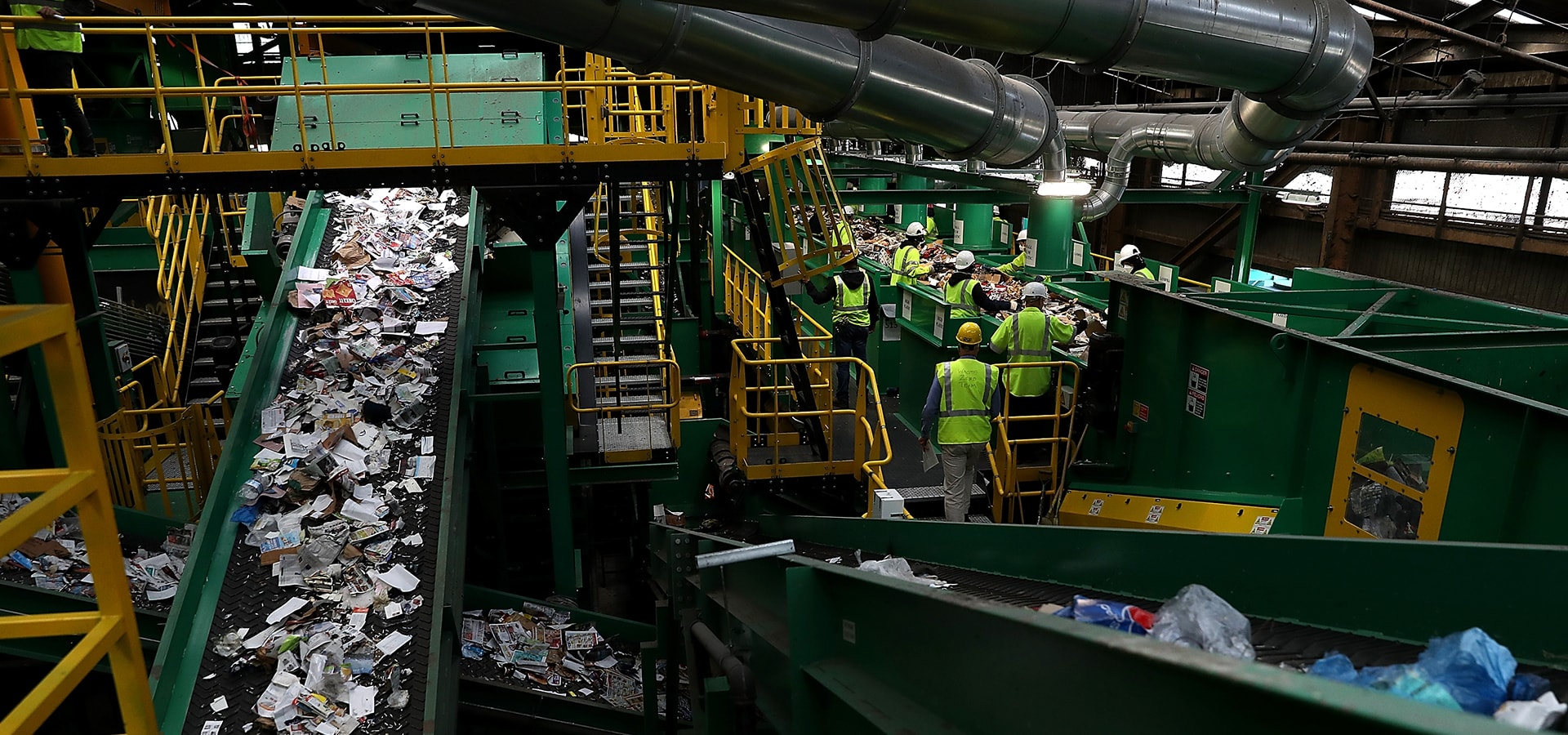
Sixteen years ago, San Francisco pledged to ditch landfills and achieve “zero waste” by 2020. A year out from that ambitious goal, the city still has a long way to go. But, unlike other major cities that have scaled back their recycling programs due to a lack of market for the materials, San Francisco has not wavered in its policy. In fact, of the 900,000 tons of discarded material the city accumulates each year, the majority goes to reuse over landfill.
According to Politico, “The U.S. produces more than 250 million tons of waste per year—30 percent of the world’s waste, though it makes up only 4 percent of the Earth’s population. Sixty-five percent of that waste ends up in landfills or incinerators. Appalled by floating trash zones like the Great Pacific Garbage Patch off California, the public says it wants to stop plastics from polluting the oceans. People say they don’t want to burn garbage if it creates toxic air pollutants, and they don’t want any more landfill mountains. But if you’re a city official, crafting a waste disposal system that is financially and environmentally sustainable is a monumental challenge. What’s different about San Francisco is that it is continuing to push the boundary of what’s possible—leaning on a combination of high tech, behavior modification and sheer political will.”
You can read more about San Francisco’s herculean efforts here.


Walk, Bike or Climb to These South Tahoe Dining Destinations
Adventure and accessibility is on the agenda.

When the Bees Come Back to the Presidio
Hundreds of rare bees make a surprise return to San Francisco.