





Did Drought Play a Role in the Golden Age of Skateboarding?
A new photo book captures the rawness of a cultural movement.
-
CategoryArts + Culture, Experiences, Outdoor Adventure, Time Capsule
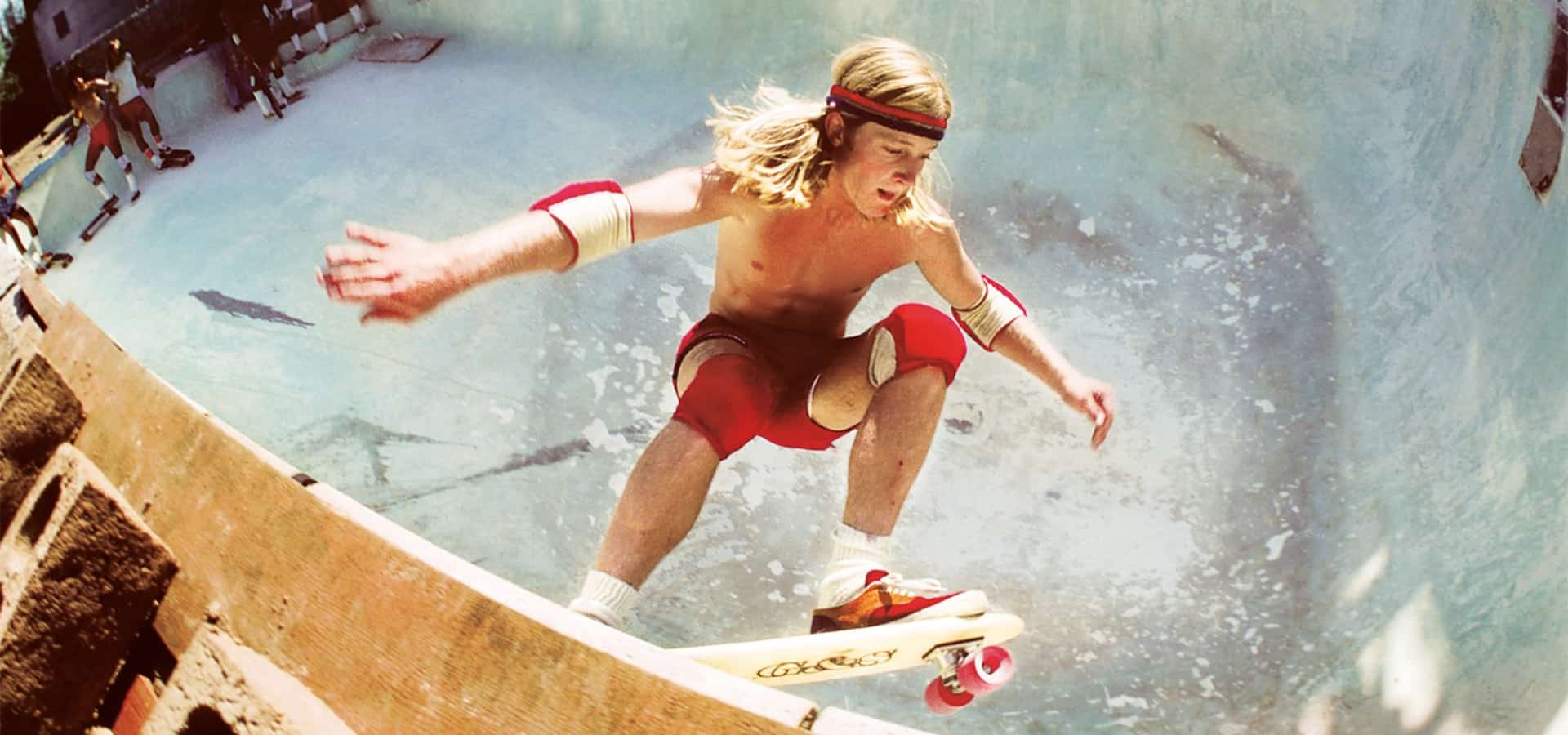
Hugh Holland’s new book, Local Only: California Skateboarding 1975-1978 unfolds like a glorious photo album of a bygone era. Kids and teens with long hair shred through concrete with summer abandon. The photographer notes that the dry conditions of the state during that time may have contributed to the subcultures rise.
According to Bored Panda, “The drought that hit California in the 1970s helped catalyze skateboard culture’s popularity. Swimming pools and drainage ditches lay empty and dry, allowing kids to carve them up with their skateboards, some of which were simply coarse wooden boards with wheels—a far cry from today’s laminated creations.”
You can preview Holland’s book here.


Monday Moods: Coastline Day Trip
A California-inspired playlist to kick off your end of summer adventures.
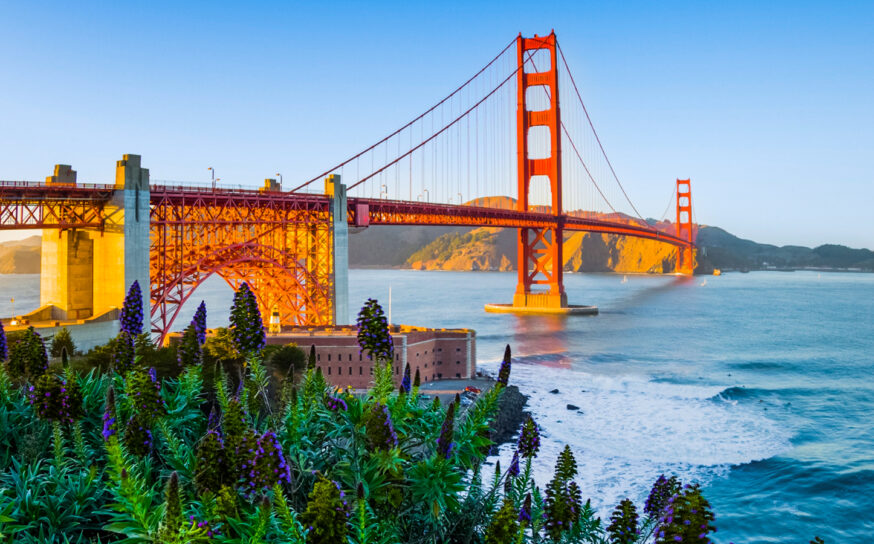
Ring in Spring: 3 Fun Ways to Celebrate the Season in California
From mountaintop blooms to the depths of the Pacific, here are some of the best ways to Ring in Spring around California!

 Southbay